Gift hampers are a staple for corporate gifts, wedding favors, and holiday celebrations. Yet, the packaging that makes a hamper look polished can sometimes push the budget higher than expected. If you’ve ever stared at a price quote and wondered why it feels like a small fortune, you’re not alone. This article explores practical ways to keep your packaging beautiful without breaking the bank, blending strategy, creativity, and a touch of humor.
Understanding the Cost Drivers in Gift Hamper Packaging
Before you can trim the budget, you need to know what’s inflating the price. Three main factors usually dictate the cost of gift hamper packaging.
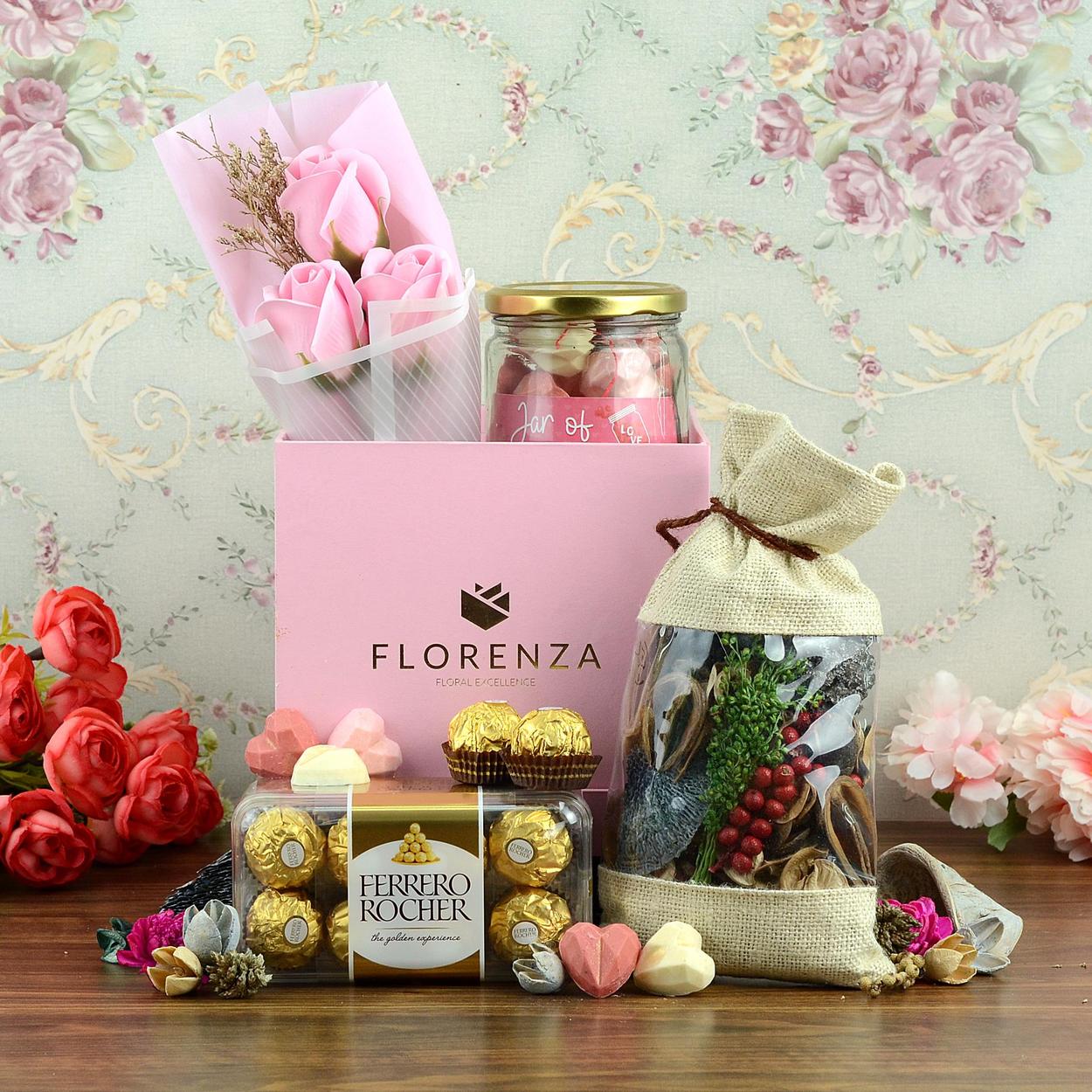
Material Choices
- Premium woods (e.g., cherry, walnut) High‑grade fabrics (silk, velvet) Specialty papers (hand‑printed, gold‑foiled)
These hampers Darwin materials look luxurious but carry a hefty price tag.
Design Complexity
Intricate designs—think laser‑cut patterns, custom embossing, or hand‑stitched details—add labor hours and specialized equipment costs. Each added feature is a line item on the invoice.
Supplier Negotiations
If you’re ordering from a boutique supplier who prides itself on artisanal craftsmanship, the price will reflect that brand prestige. The negotiation room can be More helpful hints narrow, especially for one‑off projects.
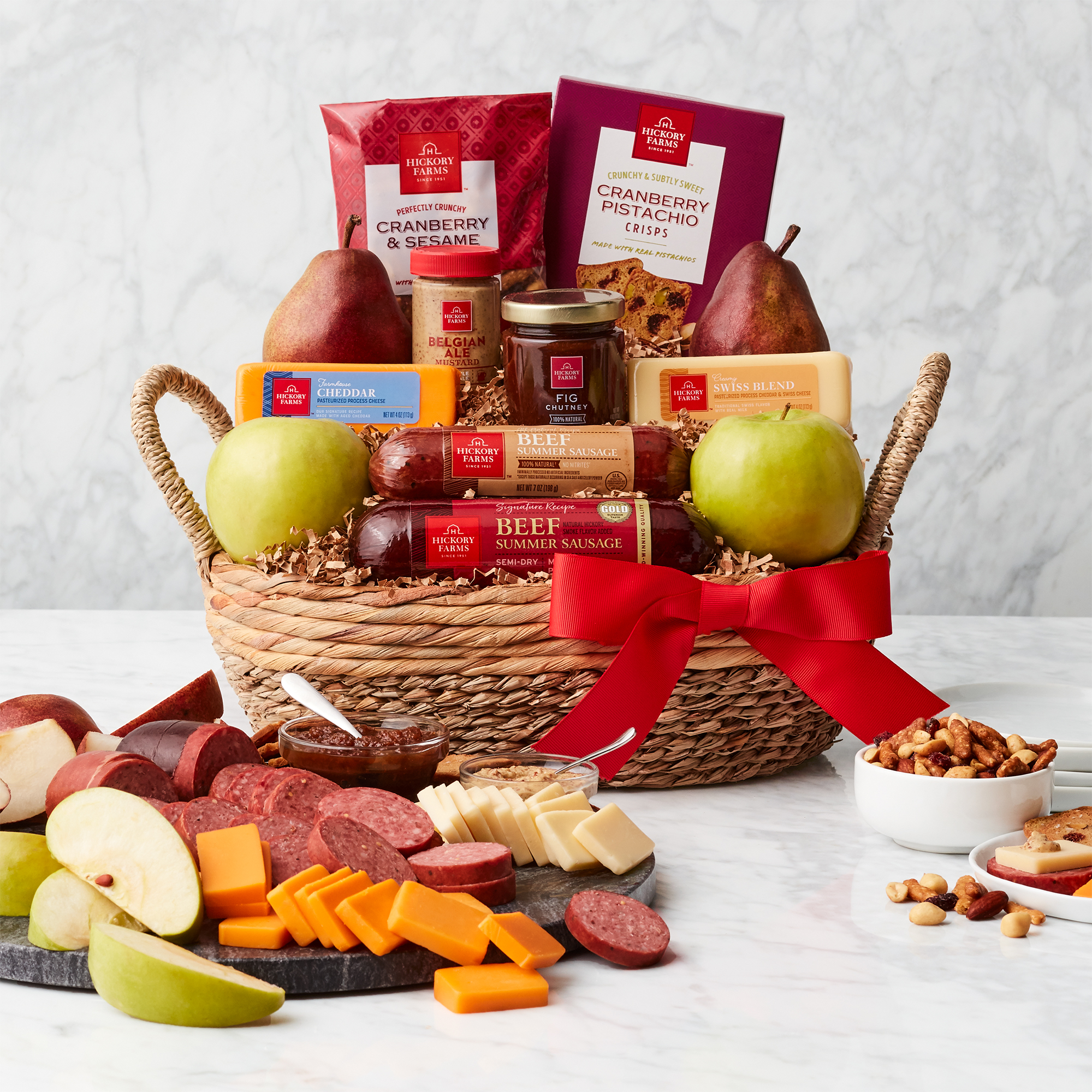
Creative Alternatives to Cut Costs Without Sacrificing Appeal
You don’t have to sacrifice style to stay affordable. Here are three creative approaches that keep the wow factor alive.
DIY Packaging Solutions
- Reusable baskets: a sturdy wooden crate can be repurposed into a hamper with a fresh coat of paint or a simple fabric wrap. Fabric wraps: a high‑quality linen or cotton scarf can transform a plain basket into a chic presentation. Custom labels: hand‑stamped or printed on a small card, adding a personal touch without extra cost.
Upcycled and Recycled Materials
- Reclaimed wood: sourced from old pallets or construction debris, offering a rustic charm. Recycled paper: eco‑friendly and often cheaper, especially when purchased in bulk. Fabric scraps: partner with local textile shops to obtain leftover fabrics for lining or wrapping.
Bulk Buying and Custom Printing
- Order in bulk: purchasing larger quantities reduces per‑unit cost. Simplify printing: use a single color or a minimalist logo rather than full‑color, multi‑layer designs. Print on demand: only produce what you need, avoiding over‑production and waste.
Negotiation Tactics That Pay Off
If you’re set on a premium supplier, a few negotiation strategies can bring the cost down.
Building Relationships with Suppliers
- Show loyalty: commit to a long‑term partnership. Share feedback: help them improve their process, making them more inclined to offer discounts.
Leveraging Volume Discounts
- Bundle orders: combine different hamper sizes or styles into one purchase. Seasonal deals: negotiate ahead of peak gifting seasons for better rates.
Flexible Design Options
- Offer design alternatives: let the supplier suggest cost‑saving tweaks. Prototype testing: approve a small sample before a full rollout, preventing costly redesigns later.
Practical Tips for Maintaining Quality on a Budget
Cutting costs shouldn’t mean compromising on quality. Use these checks to keep standards high.
Quality Control Checklists
- Verify material certifications (e.g., FSC‑certified wood). Inspect stitching or glue lines for consistency. Confirm color accuracy against brand guidelines.
Testing Samples
- Order a sample batch and display it in a real setting. Ask a trusted colleague to critique the look and feel. Adjust based on feedback before mass production.
Customer Feedback Loops
- Include a quick survey with each hamper. Use responses to refine future packaging choices. Show customers you value their input, enhancing brand loyalty.
A Real‑World Anecdote: From Overpriced to On‑Budget
Last year, a boutique bakery in Portland wanted to launch a holiday gift hamper line. Their initial supplier quote was $120 per hamper—double what they had budgeted. Instead of walking away, the owner, Maya, did the following:
Sourced reclaimed wood from a local construction site. Wrapped each basket in hand‑knitted wool blankets she sourced from a community craft fair. Printed a simple logo on a recycled paper tag. The final cost dropped to $45 per hamper, and the bakery received a 30% increase in orders during the holiday season. Maya’s story shows that creativity, combined with a willingness to explore alternatives, can deliver both savings and a unique brand story.
Final Thoughts: Making Your Gift Hamper Packaging Work for You
Simplicity is the ultimate sophistication. By understanding cost drivers, embracing creative alternatives, negotiating wisely, and rigorously checking quality, you can transform a costly packaging dilemma into a budget‑friendly success. Remember, the best packaging is the one that tells your brand story without shouting for attention.
Take a moment to review your current packaging strategy. Are there small tweaks that could bring down the cost without dimming the shine? Start experimenting today—your next gift hamper might just become the star of your marketing campaign.